
- Hotline: 0909 981 890

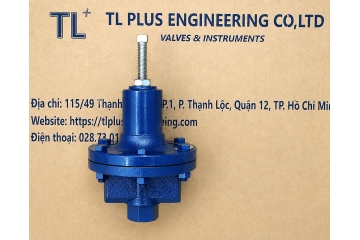
Pressure reducing valve diaphragm rupture
Pressure reducing valve diaphragm rupture

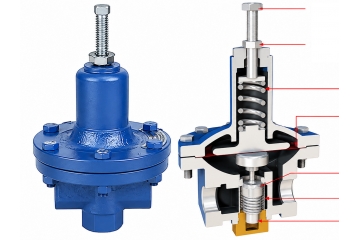
A Pressure Reducing Valve (PRV) diaphragm failure occurs when the internal flexible diaphragm tears or cracks, resulting in a loss of control over outlet pressure, an abnormal pressure surge, or fluid leakage through the vent or valve bonnet. Common causes include mechanical fatigue, sudden pressure surges, or chemical corrosion.
Signs of a ruptured valve diaphragm:
Unstable outlet pressure: The valve's outlet pressure rises above or falls below the set pressure.
External leakage: Saturated steam, water, or gas escapes from the spring chamber through the vent in the valve bonnet.
Noisy operation: Hissing, noise, or loud banging sounds emanating from the valve body.
Common causes of pressure-reducing valve diaphragm failure:
Excessive inlet pressure: A sudden pressure surge exceeding the valve's design limits, causing hydraulic shock or water hammer that damages internal components.
Material fatigue: Continuous expansion and contraction of the rubber or elastomeric material during years of normal operation.
Chemical or thermal damage: Exposure to incompatible chemicals or temperatures exceeding permissible limits.
Remedial measures:
Isolation and depressurization: Close the supply valve, then bleed off all pressure from the pipeline before working on the valve.
Diaphragm replacement or repair: Remove the upper valve cover to inspect the internal components.
💡 Reference products:


Pressure reducing type O, Watson Mcdaniel USA Pressure reducing type HD, Watson Mcdaniel USA
If you are experiencing any of the pressure regulating valve problems listed below, please contact us for advice on solutions.
TL Plus specializes in consulting on system and equipment improvements, and calculating energy recovery for saturated steam systems.
If you need to improve your saturated steam pressure reducing valve system, please contact us via email sales(at)tlplus-engineering.com.
TL Plus Company is the authorized distributor of Watson McDaniel products in Vietnam and other Asian countries.




Related posts
-
![]()
-
![]()
-
![]()
-
![]()
-
![]()
-
![STRUCTURE OF PRESSURE GAUGE]()
Pressure display dial: Displays measured value and pressure unit. 2. Dial: Indicates the pressure inside the system and the display dial. 3. Bourdon tube: Expands according to the pressure inside the system. 4. Connection: Connection between the system to be measured with pressure gauge. 5. Link: Converts the elastic state of the bourdon tube into the rotation of the clock hands. 6. Screws: Use to fix the display face. 7. Case: Protects the mechanical structure inside the watch. 8. Protector: Transparent glass or plastic material to protect the pressure display dial. 9. Gasket: Seals between the housing and the guard. 10. Mounting Ring: Mount between the pressure display dial and the guard face. 11. Seal: Used to fill oil for the purpose of reducing the movement speed of the internal mechanical mechanism, during operation. It is necessary to cut the small knob above so that there is no condensation, pressure inside the watch during operation.
-
![COMPARISON OF BRONZE PRESSURE METERS AND INOX PRESSURE METERS]()
Details such as safety glass, digital display, Clock hands and screws fixing the dial, watch case in both pressure gauges are the same in materials.
-
![]()




Copyright © 2020 Technical TL +